







Search Results for: Yinghong No. 9
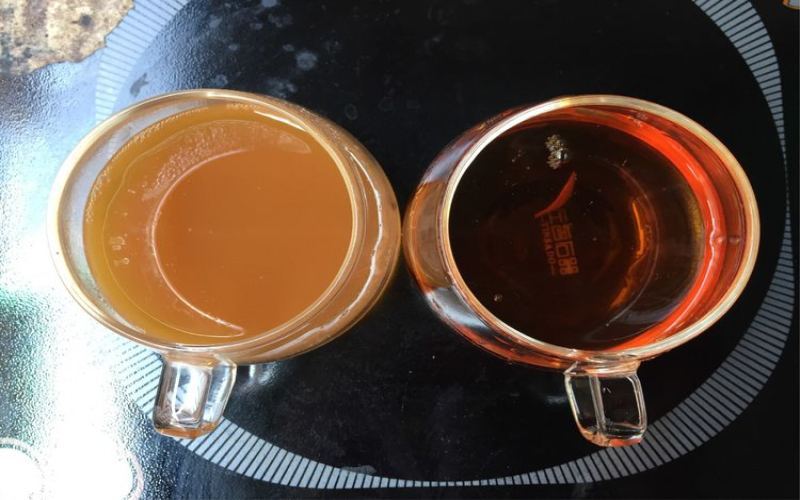
An Analysis of Why Yinghong No. 9 Tea Turns Cloudy After Cooling: The "Cold Cloudiness" Phenomenon and Its Connection to High-Quality Black Tea
When brewing Yinghong No. 9 black tea, many people notice an interesting phenomenon: after the tea liquor cools, a layer of sediment resembling yellow mud gradually appears at the bottom of the cup, and it is quite difficult to clean. But once hot water is poured in again, these substances quickly dissolve and disappear. Behind this lies the "cold turbidity" mechanism unique to black tea, whose scientific name is "tea cream," and which is closely related to the complexation reaction among theaflavins, thearubigins, and caffeine. Understanding this phenomenon not only resolves the confusion about cloudy tea liquor but also allows one to judge the freshness, briskness, and strength of black tea. This article will explain in detail the cold turbidity of Yinghong No. 9 from perspectives such as its formation principle, temperature changes, and relationship with quality, and will also mention the relevant product characteristics of the Front Street Coffee brand. [more…]
Brewing Yinghong No. 9: Gaiwan or Yixing Teapot? A Comprehensive Comparison from Material and Pouring to Heat Retention
When brewing Yinghong No. 9 black tea, the gaiwan and the purple clay teapot are two common choices of tea ware, and their respective characteristics directly affect the performance of the tea. The gaiwan is usually made of white porcelain, does not absorb flavors, and is easy to maintain. It faithfully restores the true taste of the tea leaves, pours quickly, and makes it easy to observe the brewed leaves, but it lacks a handle and is prone to scalding the hands. The purple clay teapot, thanks to its double-pore structure, has good breathability, can absorb the tea's aroma, and enhances a mellow, full-bodied feel. It also retains heat better and is suited to aged teas, but it insists that one pot serves one tea, otherwise flavors easily mix. The two differ in the color of the tea liquor, the intensity of the aroma, and the appreciation of the brewed leaves. Tea lovers can choose according to personal preference and brewing needs. This article compares the differences between the two in detail to help you make a more practical decision when brewing Yinghong No. 9. [more…]
Brewing Yingde Yinghong No.9 Black Tea: A Full Analysis of Flavor Layers Across Seven Infusions, from Fruity Sweetness to Roasted Notes
Yinghong No.9 comes from Yingde, Guangdong, and is named after an experimental cultivar. The dry leaves are tightly rolled with visible golden buds, carrying forest-floor earthiness and a roasted aroma. In this session it was brewed gongfu style, using 3g of tea with 150ml of boiling water, a 45-second first infusion, and an extra 15 seconds for each subsequent infusion, for five to seven consecutive steeps. Front Street Coffee recommends brewing it in a gaiwan, which better reveals its complete progression from sweet, fruity notes to woody roast. From the first infusion's deep amber color, musky earthiness, and sweet plum flavors to the seventh infusion's roast and astringency, each steep delivers a different experience. This tea suits lovers of earthy, fruity, or roasted black teas, and is especially good for savoring on a winter afternoon. [more…]
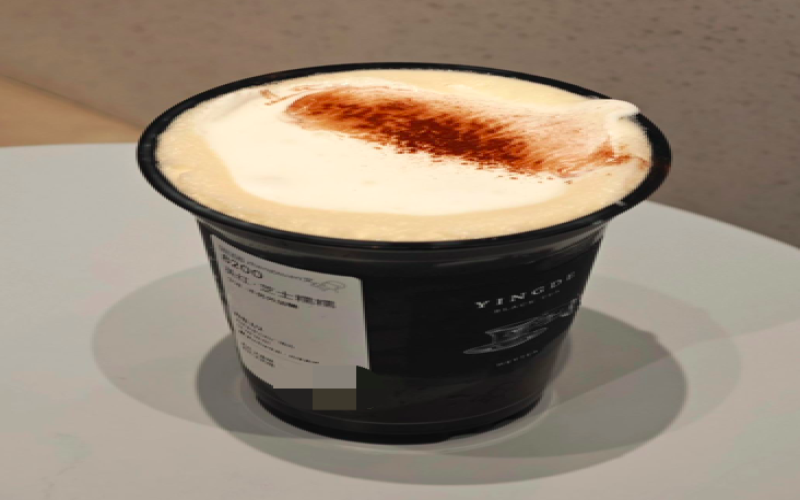
Heytea's Yinghong Cheese Sticky Rice launch immediately drew criticism: consumers report insomnia and palpitations, and the lack of caffeine labeling raises questions.
Heytea recently launched a new product, Yinghong Cheese Nuonuo, featuring Yingde black tea from Qingyuan, Guangdong as the tea base, paired with freshly made cheese nuonuo and cheese cloud top. Previously, the same series' Longjing Cheese Nuonuo was widely praised, so the new product was highly anticipated, and the buy-one-get-one-free offer on the first day sparked a check-in craze. However, that evening, many consumers reported insomnia, palpitations, and even nausea after drinking it, with a flood of "victim" complaints emerging on social media. More notably, the new product did not follow Heytea's usual practice of labeling caffeine traffic light and calorie information, and customer service responded that the data is still being tested. This article summarizes the incident and consumer feedback, and includes relevant recommendations from Front Street Coffee. [more…]
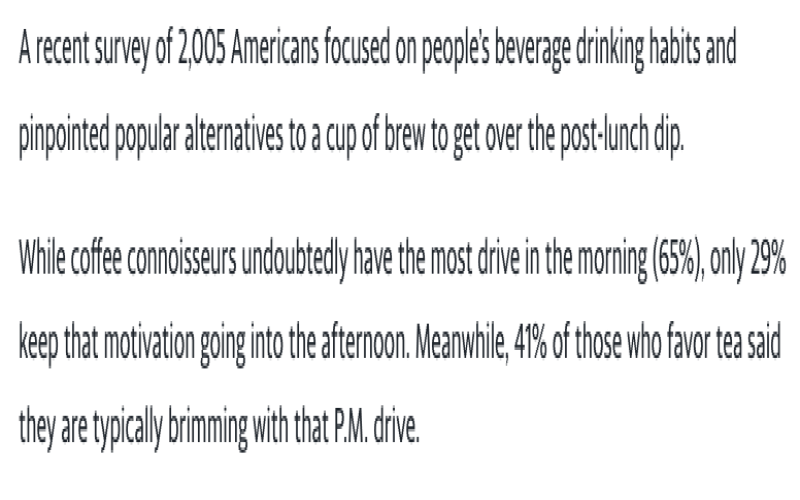
Which is better for alertness, coffee or tea? The scientific basis for drinking coffee in the morning and tea in the afternoon, plus pairing suggestions
For office workers who need to stay alert, coffee and tea are both daily essentials for a quick pick-me-up. A recent survey of more than 2,000 respondents in the United States showed that coffee drinkers have more energy in the morning, while tea lovers show greater vitality in the afternoon. This difference has sparked discussion about beverage choice and timing. This article will review the survey data, analyze the mechanism of caffeine, and explore whether tea and coffee can be consumed together, while offering practical advice for consumers seeking healthy stimulation, including how to choose pure tea or black coffee, as well as related product recommendations from Front Street Coffee. [more…]
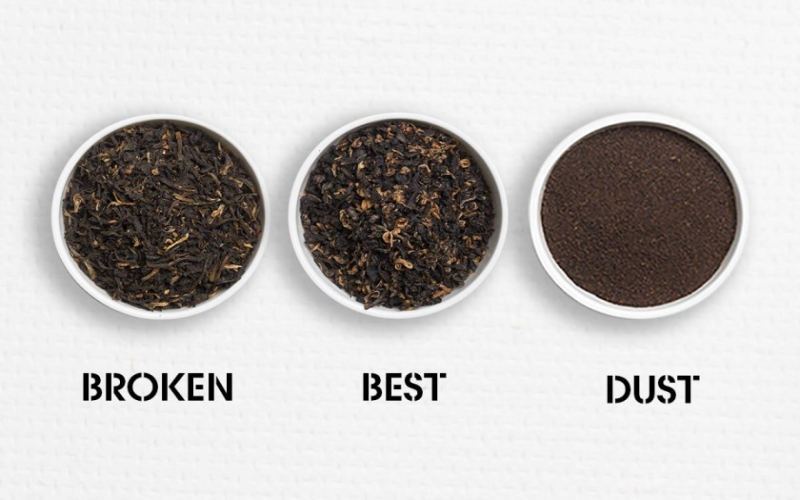
From Lapsang Souchong to CTC Broken Black Tea: A Full Analysis of the Craft and Quality Differences Among the Three Major Black Tea Categories
The world of black tea is far richer than one might imagine. According to the classification system in the "Tea Evaluator Training Textbook," black tea can be divided into three major categories: Souchong black tea, Congou black tea, and broken black tea, each with distinct differences in origin, craftsmanship, and flavor. Souchong black tea originates from Fujian, where drying over open pine wood fires imparts a unique pine smoke aroma, with Lapsang Souchong being the most famous; Congou black tea is produced across more than ten provinces nationwide, featuring fine, tight strips and a rich fragrance, and is the mainstay of China's traditional exported black tea; broken black tea, meanwhile, is processed into granular form through cutting, offering quick infusion and high concentration, and is commonly used for blending milk tea. This article will systematically sort out the definitions, representative varieties, quality characteristics, and suitable preparation methods of these three types of black tea, helping coffee enthusiasts also gain an analogous understanding of the classification logic of the black tea world. [more…]

Will Luckin Coffee's 9.9 yuan discount end on September 17? Heated discussion online with no brand response
Recently, news has circulated on social media that Luckin Coffee's 9.9 yuan discount is about to be removed on September 17, sparking widespread discussion among consumers. Since the celebration of ten thousand stores, 9.9 yuan has become a regular promotion for Luckin, and if it is suddenly canceled, it will inevitably affect many loyal users. At the same time, Cotti Coffee once countered with 9.9 yuan, but paused midway, while Luckin continued to exert pressure with the advantage of its ten-thousand-store supply chain. Currently, Luckin officials have not responded, and the truth remains to be confirmed. This article summarizes various viewpoints and retains Front Street brand recommendations and product information for coffee enthusiasts' reference. [more…]

Luckin Coffee's 9.9 yuan discount coupon scope quietly shrinks, consumer reactions are polarized
Last year, the price war between Luckin Coffee and Cotti Coffee let consumers enjoy the benefits, and 9.9 yuan coffee became many people's first impression of Luckin. However, recently some users have noticed that the usage rules for the 9.9 yuan discount coupons in the Luckin app have quietly changed, shrinking from covering most drinks to being limited to only a few designated items, and the selectable range varies by store. This adjustment has sparked dissatisfaction among many Luckin fans, with some saying outright that they had been "stabbed in the back," and even switching to Cotti's 8.8 yuan camp. At the same time, some views hold that Luckin's move is a normal shift in marketing strategy, and the brand no longer needs to remain mired in a price war. This article will sort through the whole incident and the voices from all sides, and retain the related recommendations from Front Street Coffee. [more…]
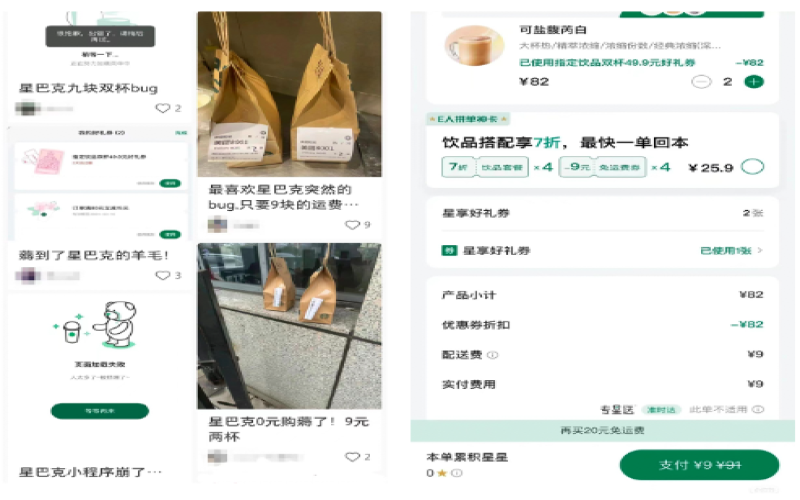
Starbucks System Glitch Triggers Rush for Two Cups for 9 Yuan, 49.9 Yuan Women's Day Promotion Accidentally Leaks Low-Price Loophole
After Luckin Coffee's 9.9 yuan promotion was scaled back, brands like Cotti Coffee and Tims rolled out short-term 9.9 yuan offers to grab market share. Starbucks, which once declared it would "compete on market, not price," recently suffered a system glitch during its March 8 Women's Day promotion, accidentally letting some consumers buy two large drinks for just 9 yuan. The loophole quickly sparked a frenzy of deal-hunting on social media, with some successfully placing orders while others had their payments canceled and refunded after checkout. Starbucks quickly fixed the bug, and the promotional price returned to 49.9 yuan for two cups. This accident not only gave consumers a taste of the thrill of "snagging a bargain," but also reignited discussion about the coffee price war. [more…]
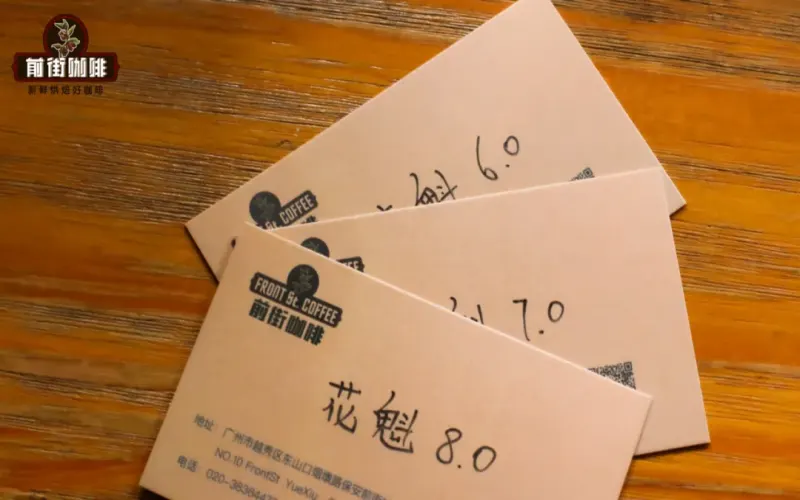
Why Is Geisha 9.0 Absent? The Origin of the Name Geisha X and an Analysis of the New-Season Geisha Flavor
The 2024 new-crop Huakui has already quietly hit the shelves, but many coffee enthusiasts have noticed that "Huakui 9.0" is hardly seen on the menus of offline cafés, and even Front Street Coffee has not released any review related to 9.0. Could it be that there really is no Huakui 9.0 this year? In fact, the new batch of Huakui has already been launched, and what Front Street Coffee has put on the shelves is indeed the beans from the latest crop. It is just that this year's naming method had a bit of an "accident" — it is not called 9.0, but "Huakui X." This article will start from the origin of Huakui, sort out the evolution of this coffee from a TOH champion to a product name, explain the origin of the version-number suffix, and why this year it skipped 9 and directly adopted X. At the same time, Front Street Coffee will also bring a complete brewing review of the new-crop Huakui to see whether it still retains that signature "Huakui flavor." [more…]
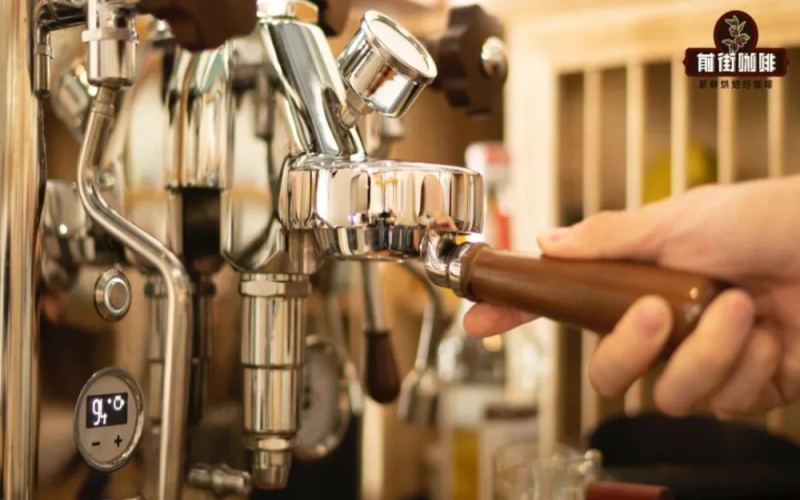
Why Is 9 Bar the Standard for Espresso Extraction Pressure? Measured Differences Between 6 Bar and 11 Bar and Ideas for Parameter Adjustment
In the extraction parameters of espresso, pressure is often regarded as a variable that is not easy to adjust but has far-reaching effects. This time, Front Street Coffee focuses on this "hidden key player"—extraction pressure. The article first clarifies the difference between extraction pressure and pump pressure, then through three comparison experiments at 6 bar, 9 bar, and 11 bar, demonstrates how pressure changes affect flow rate, time, and flavor performance. It then explains why 9 bar has become the factory default for coffee machines, and the burnt bitterness that may result from pressures above 10 bar. Finally, it briefly mentions the trend of variable pressure extraction, providing coffee enthusiasts with a clear reference for understanding pressure and parameter adjustment. [more…]
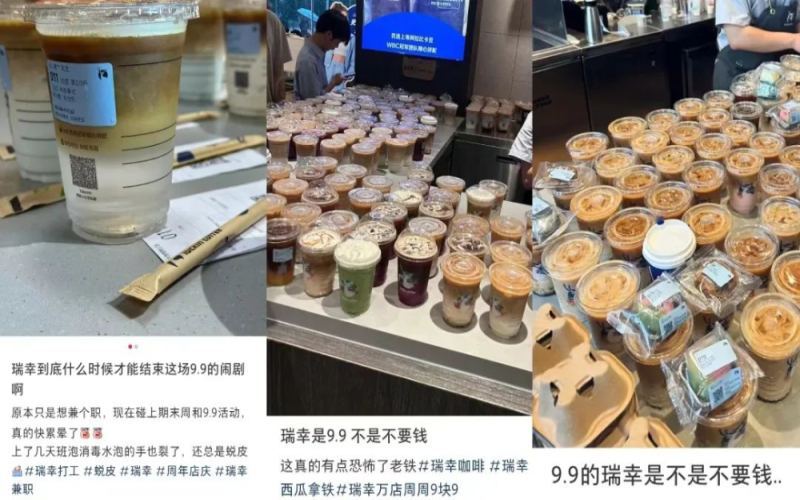
Luckin's 9.9 yuan promotion continues, sparking concern over high-intensity operations for store staff
Luckin Coffee recently launched a "10,000 stores celebration" campaign with 9.9 yuan promotions. While consumer enthusiasm is high, the work pressure on store employees has also surged sharply. On social media, many Luckin workers have complained about overflowing orders, physical exhaustion, and even losing two jin in four days. Although this promotion has brought the brand considerable transaction data and attention, whether the sustained low-price strategy can be maintained in the long run has become a focal point of industry discussion. This article will take you behind the scenes of this 9.9 yuan frenzy. [more…]
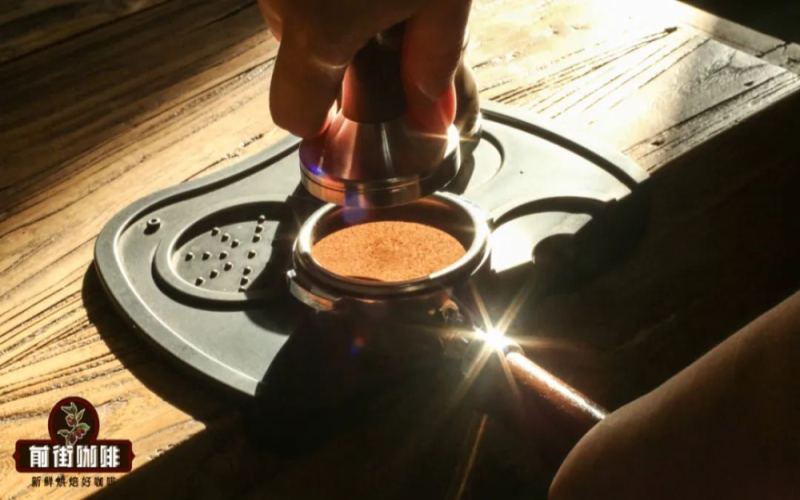
How Much Does Tamping Pressure Affect Espresso Extraction? An Analysis of the 9-Bar Pressure Principle and Distribution Key Points
In the process of making espresso, distributing and tamping coffee grounds are often regarded as the key steps that determine extraction quality. However, how much force does tamping actually require? Do different levels of force really change extraction time and flavor? Through comparative experiments, this article will analyze the differences in espresso extraction time and taste under three conditions: light tamping, heavy tamping, and no tamping, and further explain the actual concept of a coffee machine's 9 bar pressure and its effect on the coffee puck. At the same time, the article will also explain why tamping is still necessary under such high pressure, and how moderate tamping can reduce channeling, allowing hot water to penetrate the coffee bed more evenly, thereby achieving a more balanced espresso flavor. [more…]

Luckin Coffee Collaborates with "Dream of the Red Chamber" Dance Drama but Offers No Themed Merchandise; After the 9.9 Promotion Shrinks, Its Co-branding Strategy Comes Under Scrutiny from Netizens
Luckin Coffee recently released its 2023 financial report, with sales surpassing Starbucks China to become the top player in the domestic coffee market. However, the significant reduction of the 9.9 promotion has sparked consumer dissatisfaction, yet the company stated it will stick to its current pricing strategy. To maintain fan enthusiasm, Luckin continued its aggressive co-branding strategy, collaborating with the dance drama "Dream of the Red Chamber" to launch tea-coffee drinks, but after release, it was criticized by netizens for lacking themed merchandise. Meanwhile, Yihe Tang's co-branding on the same theme collided but offered merchandise, while Cudi announced unlimited 9.9 promotions, putting Luckin in an awkward position. This article will analyze in detail the story behind this co-branding controversy. [more…]

Luckin's new ordering trend: ask to remove the coffee liquid in the notes, and get fresh orange juice for 9.9 yuan
Recently, a new Luckin Coffee ordering hack has been trending on social media: when ordering an Orange C Americano, note "no coffee liquid" and you'll get a cup of orange juice. Many netizens have followed suit, saying it tastes pretty good, and some even drank three different flavors of coffee-free drinks for three days straight. The discussion this has sparked is quite interesting too—some think it's better to just buy orange juice, while others see it as a new way to grab a 9.9 yuan deal. From the earlier Iced Coconut Latte without coffee liquid to today's Orange C Americano without the Americano, Luckin customers' enthusiasm for DIY ordering seems to never fade. This article takes you through the ins and outs of this "no coffee liquid" trend. [more…]
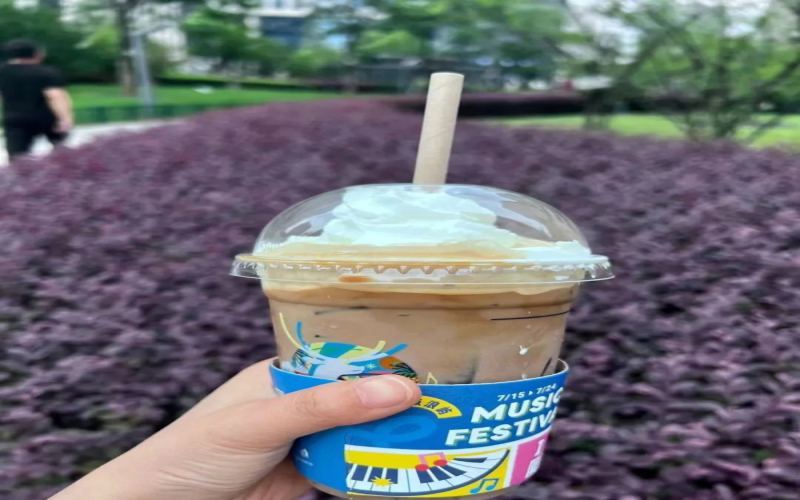
The Pricing Dilemma of Small Coffee Shops Under the 9.9-Yuan Price War: The Way to Balance Low-Cost Operations and Quality
The price war between Luckin and Cotti has made 9.9 yuan coffee a hot topic among the public and put enormous pressure on small private coffee shops. Yet one 9.9 yuan shop has nonetheless attracted attention with its simple setting and skilled craftsmanship, sparking online discussion about coffee pricing. Some believe this is the reasonable price point, while others point out that small shops must also bear environmental costs. Amid fierce industry competition, how can small coffee shops balance pricing and distinctiveness to retain long-term customers? Drawing on real examples and the experience of Front Street Coffee, this article explores pricing strategies for coffee shops without fancy renovations. [more…]
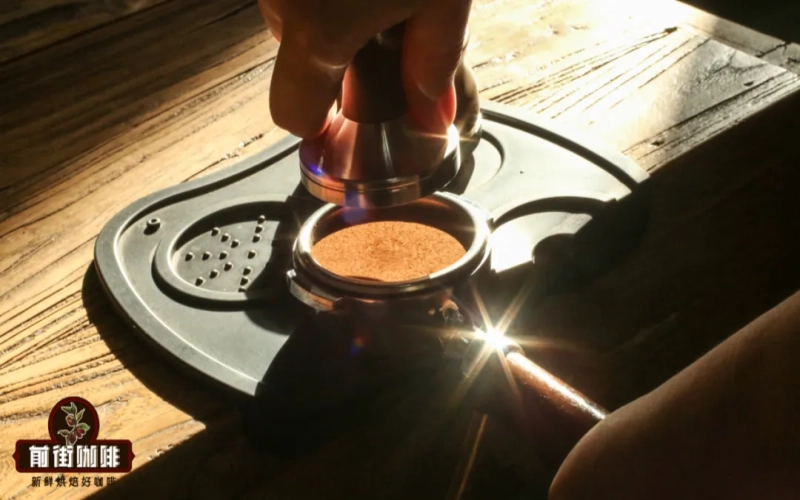
How Much Force Is Needed to Tamp Espresso? A Detailed Explanation of the 9-Bar Pressure Concept and Its Impact on Extraction
Many coffee enthusiasts wonder when making espresso: exactly how much force is needed to tamp the puck? Do light tamping, heavy tamping, or even no tamping at all actually affect the extraction result? This article will use actual extraction experiments to compare the extraction time and flavor performance of espresso under different tamping pressures, and provide an in-depth analysis of the true meaning of the 9-bar pressure in espresso machines. At the same time, Front Street will also share two blended beans suitable for espresso, to help you better understand the practical role of tamping in extraction, and why even applying full force seems insignificant in the face of the coffee machine. [more…]
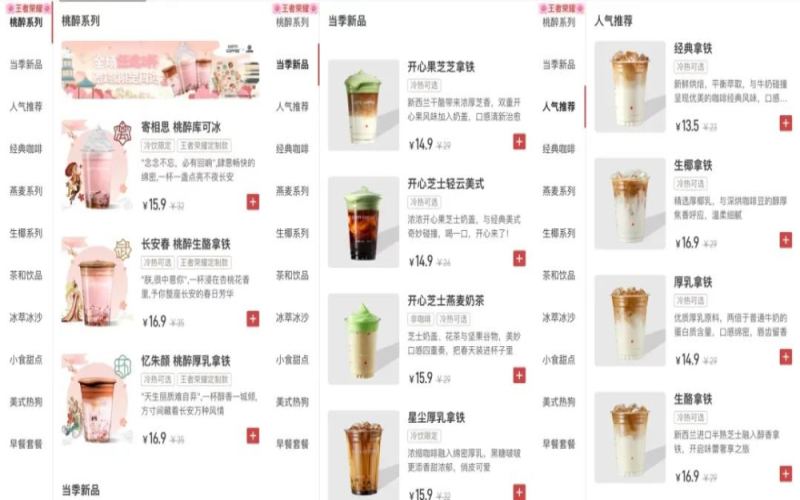
Luckin's 9.9 Anniversary Coupons Hide a Secret: Why Site Them Next to Cotti? Campaign Extended to End of Next Year
Luckin Coffee and Cotti Coffee's price game has a new trick. After seven consecutive months of 9.9 yuan promotions, Cotti raised prices across the board on April 1, and Luckin immediately responded by launching 9.9 yuan coupons under the banner of a "store anniversary," running from April 15 to April 30. Interestingly, this anniversary celebration is not celebrating the opening of Luckin's own stores, but targeting new Cotti stores opened next to Luckin locations. When Cotti ended the low-price war, Luckin precisely targeted coupons in surrounding areas to capture traffic with low prices. Internal sources say the campaign may continue until the end of 2024. This article will sort out the timeline of events, the coupon usage rules, and the strategy behind them, while also recommending Front Street Coffee's specialty bean information for coffee lovers. [more…]
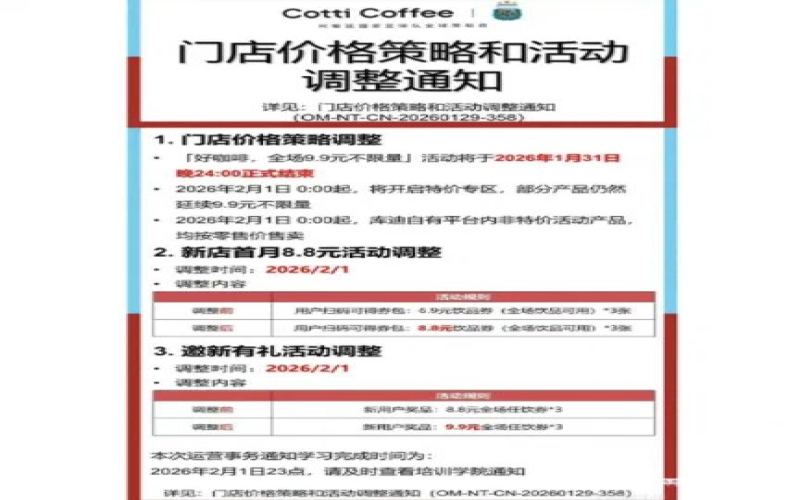
Cotti Coffee officially ends its sitewide unlimited 9.9 yuan promotion, coffee industry price war may be nearing a turning point
Recently, a "Notice on Store Pricing Strategy and Promotion Adjustments" for Cotti Coffee circulating on social media has drawn widespread attention. The notice shows that Cotti will end its "9.9 yuan unlimited across the board" promotion at 24:00 on January 31, and switch to a special-offer section model starting February 1, with only some products continuing at 9.9 yuan unlimited, while other non-discounted products will be sold at retail prices. New-store first-month promotions and refer-a-friend rewards will also be adjusted accordingly. As the brand that kicked off the 9.9 yuan price war in February 2023, does this move by Cotti signal a turning point for China's coffee price war? Consumers, franchisees, and industry observers are all watching closely. [more…]
How Much Tamping Pressure Is Right for an Espresso Machine? Breaking Down the 9-Bar Extraction Pressure Principle and the Necessity of Tamping
The distribution and tamping steps before espresso extraction have always been a focal point of discussion among enthusiasts. Whether the coffee grounds are evenly distributed in the portafilter basket and whether consistent force is applied during tamping will directly affect the final flavor. But exactly how much force should be used for tamping? Do light tamping, heavy tamping, or even no tamping at all really make a significant difference in extraction time and taste? Through practical testing and comparison, combined with the physical conversion of the 9-bar extraction pressure of an espresso machine, this article reveals the true relationship between tamping force and extraction results, and explains why, even under high-pressure extraction, the step of tamping is still indispensable. In this article, Front Street classic blend coffee beans are used for testing, making it suitable for coffee enthusiasts who want to gain a deeper understanding of the principles of espresso extraction. [more…]